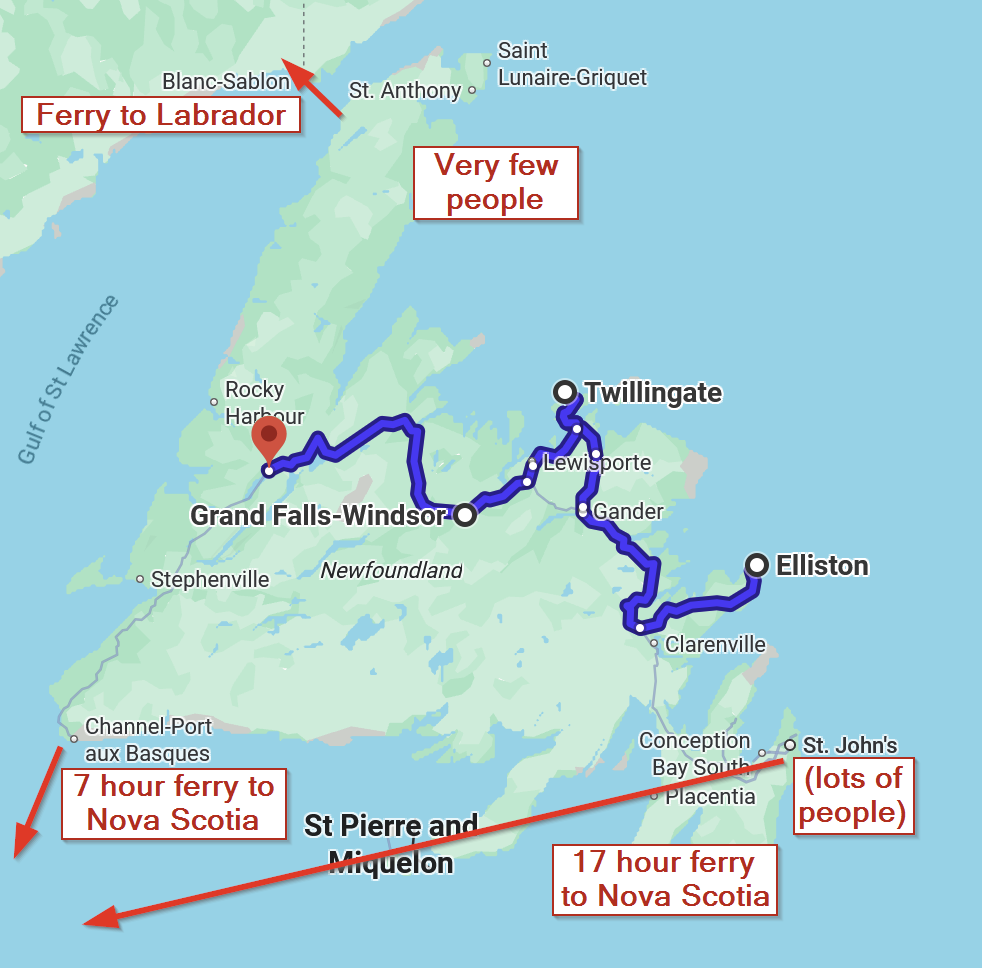
We have spent the last couple of weeks wandering around the northern part of Nova Scotia. In reality, you can’t wander the southern shore if you wanted to, there aren’t any roads, it’s only accessible by boat. And just to give you some perspective, St. John’s, in the southeast corner of the island of Newfoundland, is the major metropolitan area…heck, they even have a Costco! Up in the northwest, there are small communities really spaced out. REALLY spaced out.
Elliston
We started at Ellison where we met up with Paul and Kay again for a few days.
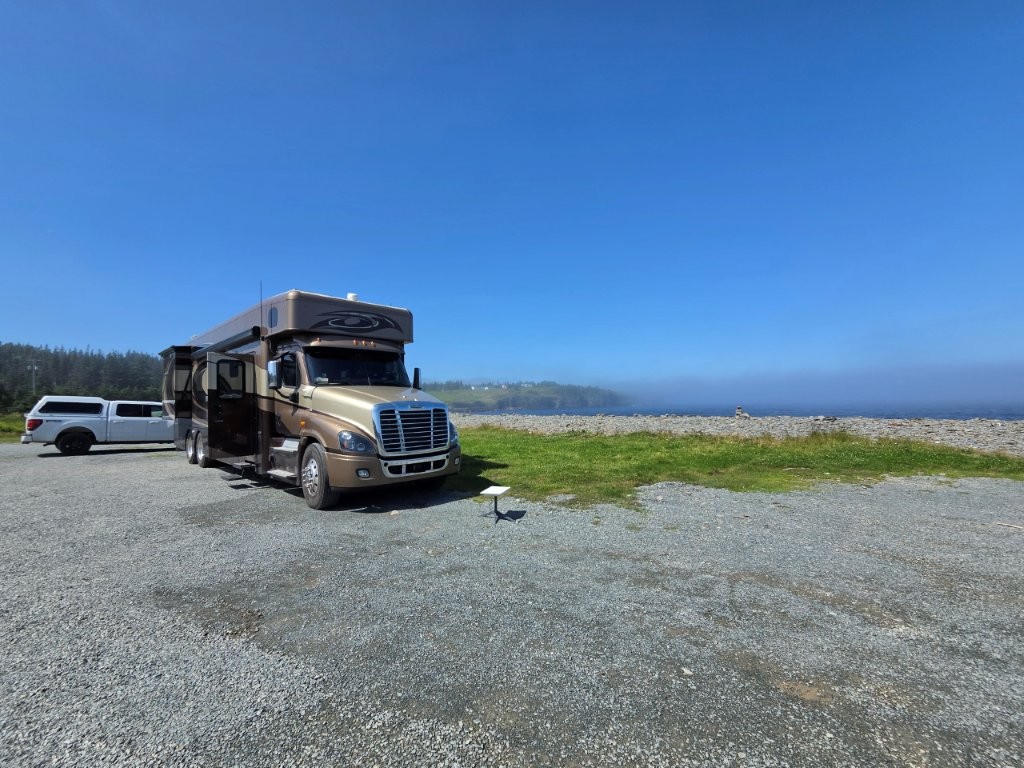
We dry camped at the municipal park right on the water. Give us solar and we are good for days. This was definitely a site with a view.Unfortunately, our first day with those beautiful blue skies was the only day of sunshine. Here you can see the our RV parked on the shore (far right). We totally enjoyed listening to the waves crashing on the beach. But we didn’t enjoy listening to the RV generator running to recharge our lithium batteries. We tried to do that only when no one else was around so we didn’t ruin someone else’s enjoyment of the coast.
We were quickly learning that the weather along the coast can be very variable. If you have a day with blue skies, you take advantage of it.
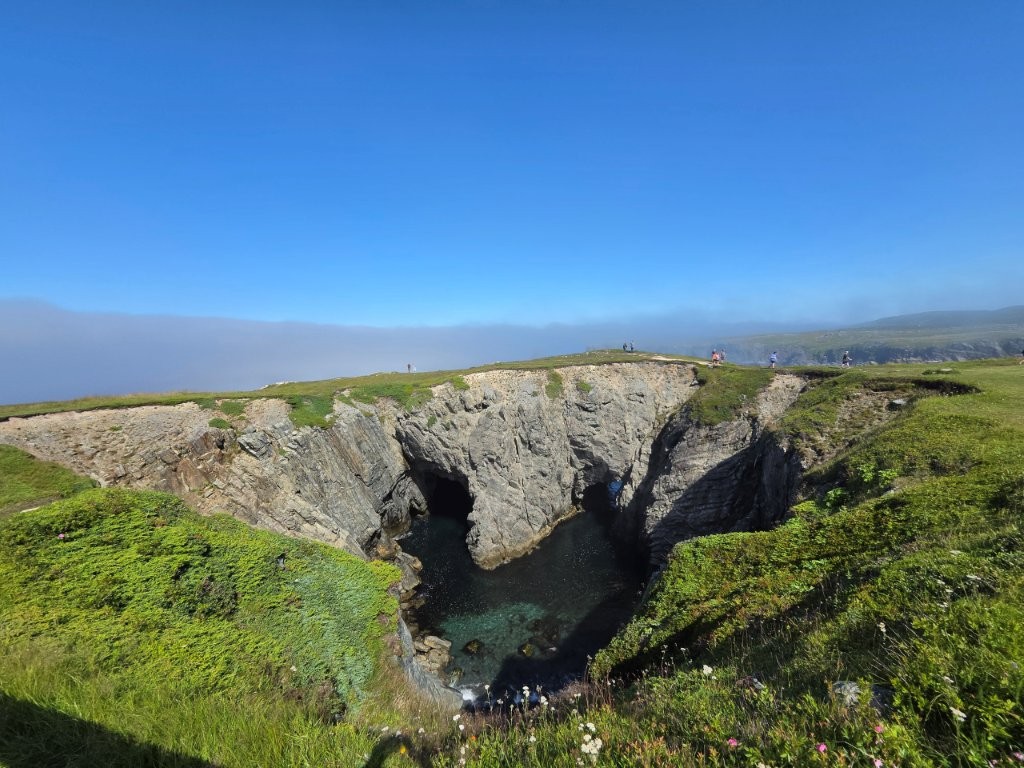
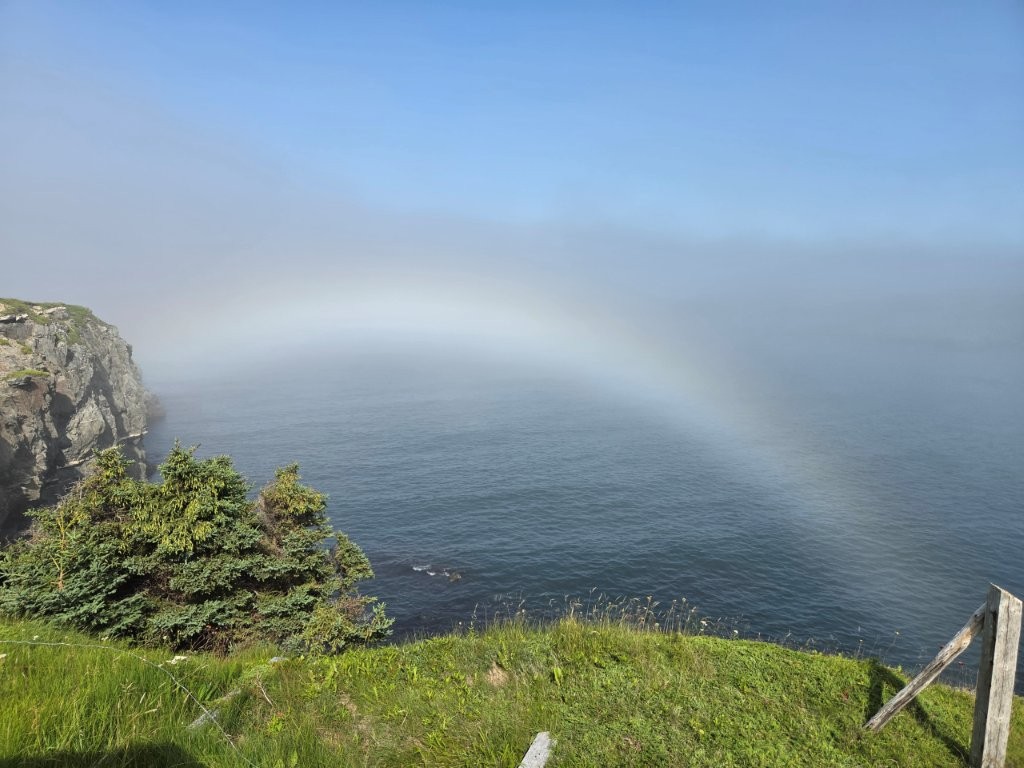
This is in Dungeon Provincial Park – a heart shaped crater with two openings to the ocean.I think that is a rainbow! Not very vibrant, but it qualifies.
The real reason to visit Elliston was the Puffin Viewing Site. There is a bit of land offshore that serves as a nesting area for puffins. The number of puffins varies. And some days, if you are lucky, the puffins will even come onto the mainland. We, alas, weren’t that lucky.
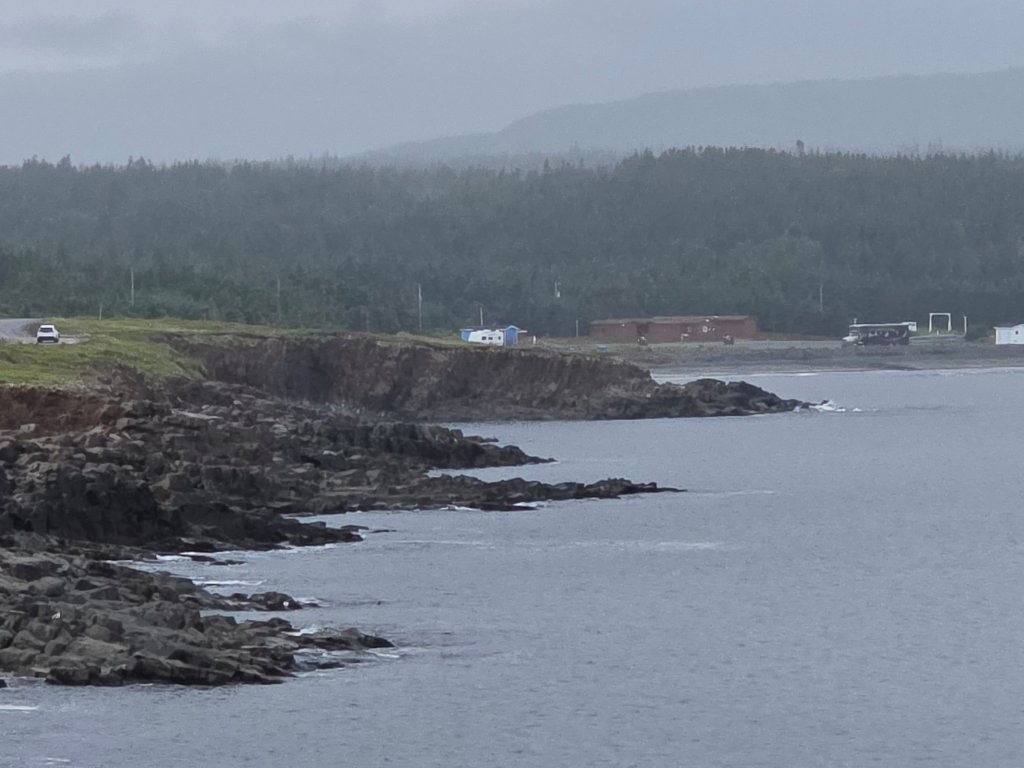
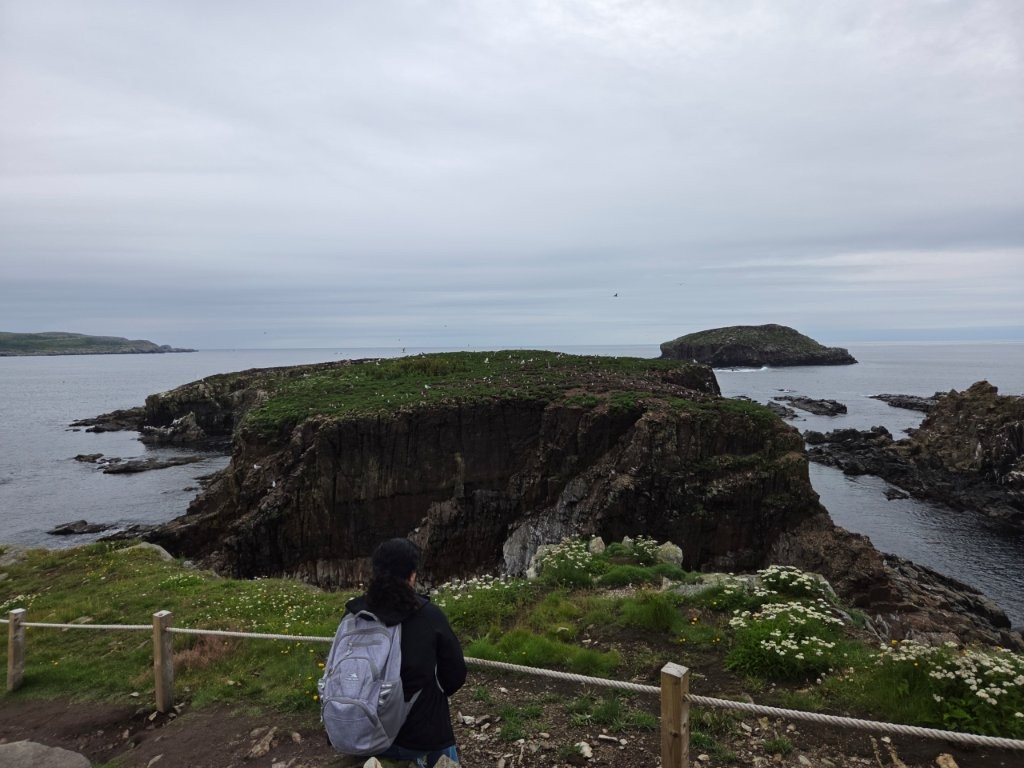
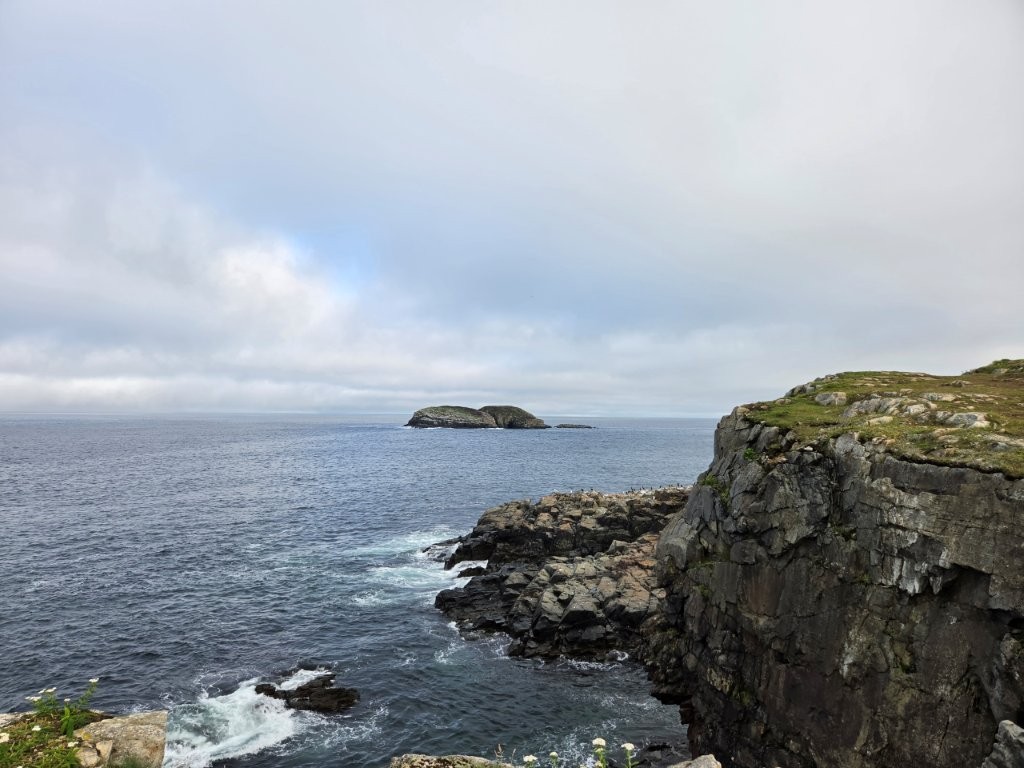
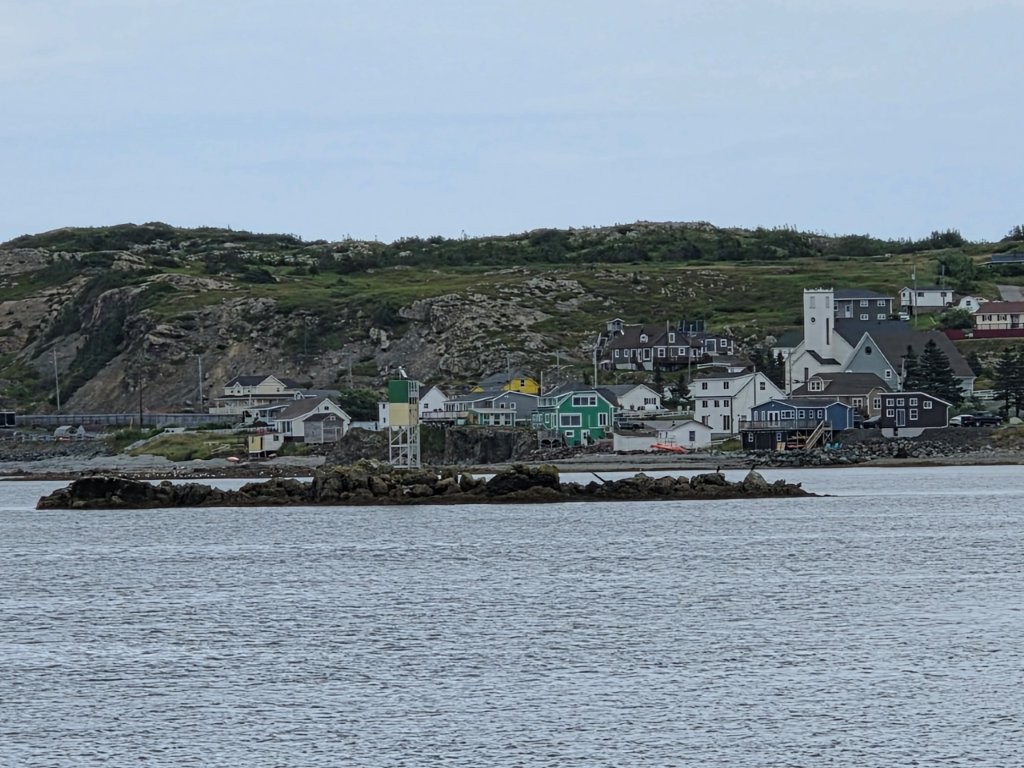
Standing on the mainland, you can see the puffin nesting area.
Before we headed out to see the puffins, I went to grab my point and shoot camera with the zoom lens. Guess what…I couldn’t find it. Last I had that camera in my hands, we were in Alaska. All I can imagine is I took it into the house for some reason and it never made it back into the RV. Bummer.
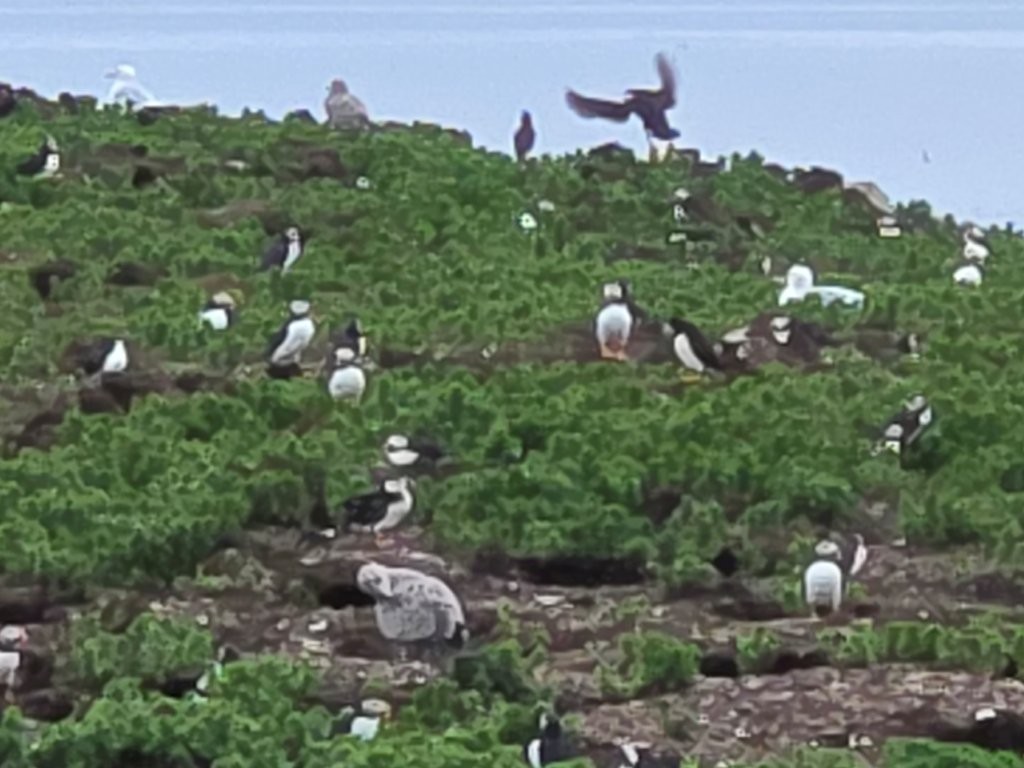
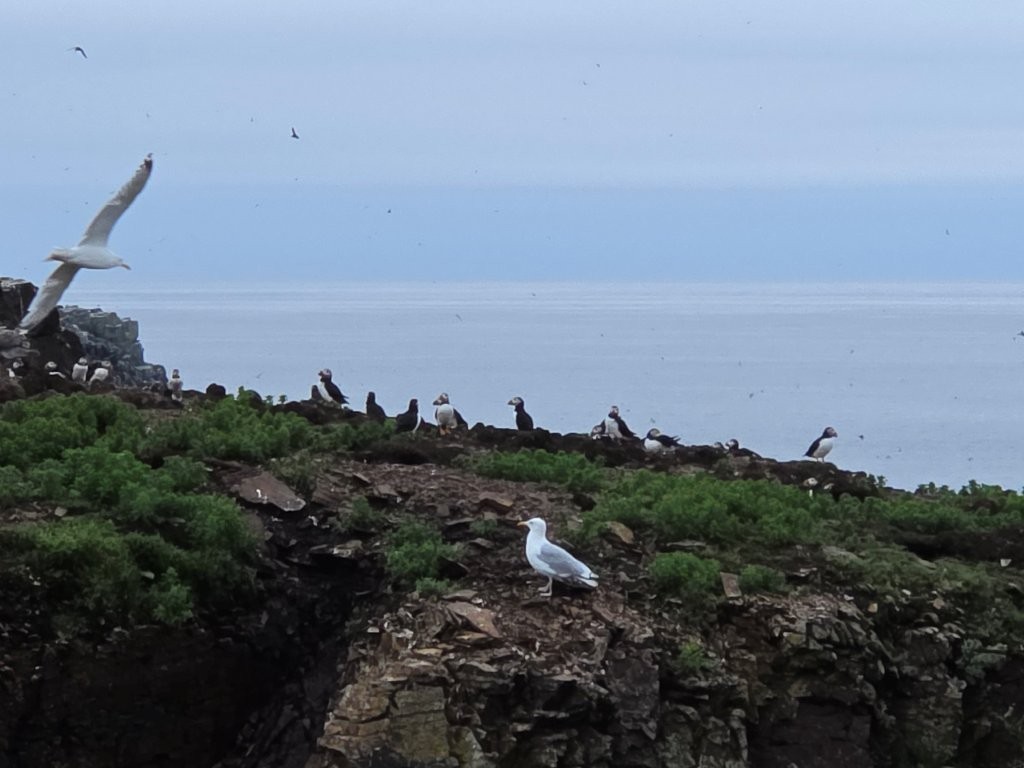
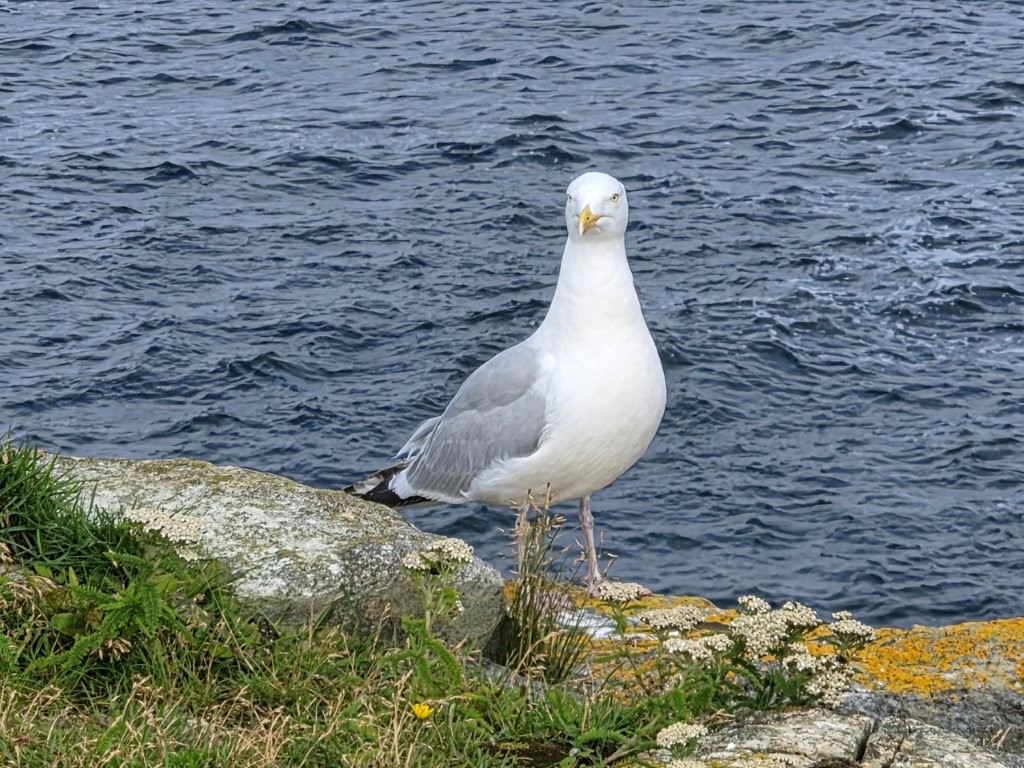
This is the best I could do with my phone. Disappointing.This is a little better. Yes, puffins!This seagull did come over to the mainland where we were. It’s not a puffin, but I’ll take it.
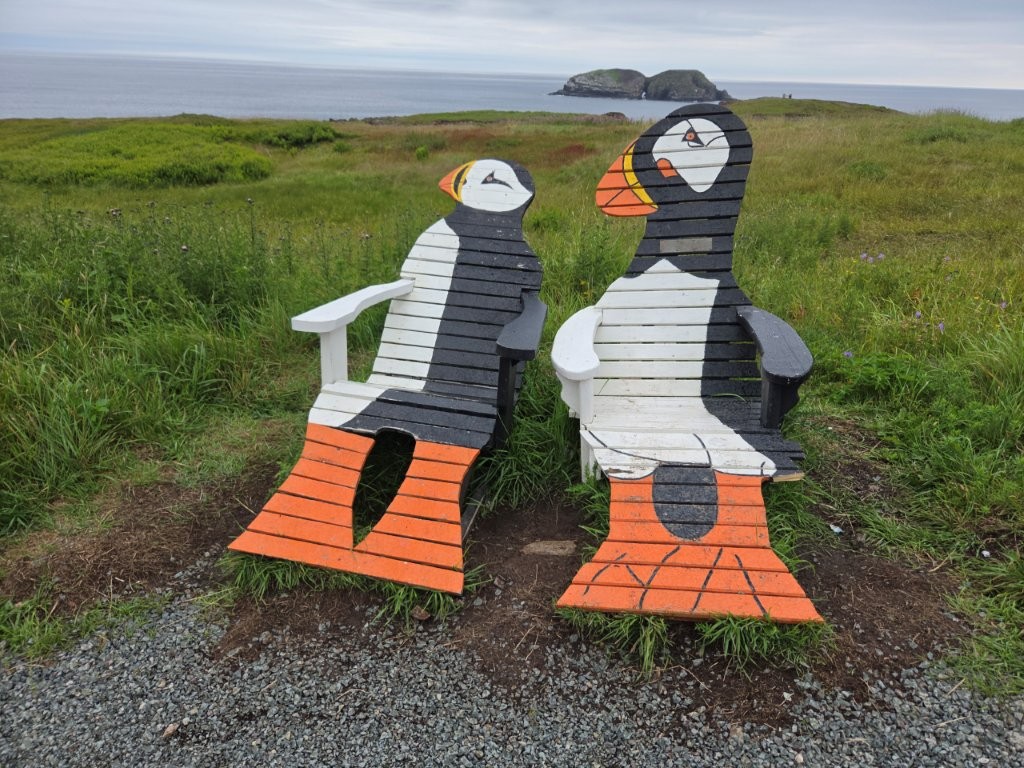
More of the gorgeous coastline.I did get this picture of puffins! A lot of the locals had chairs and other homemade puffin trinkets like this for sale.
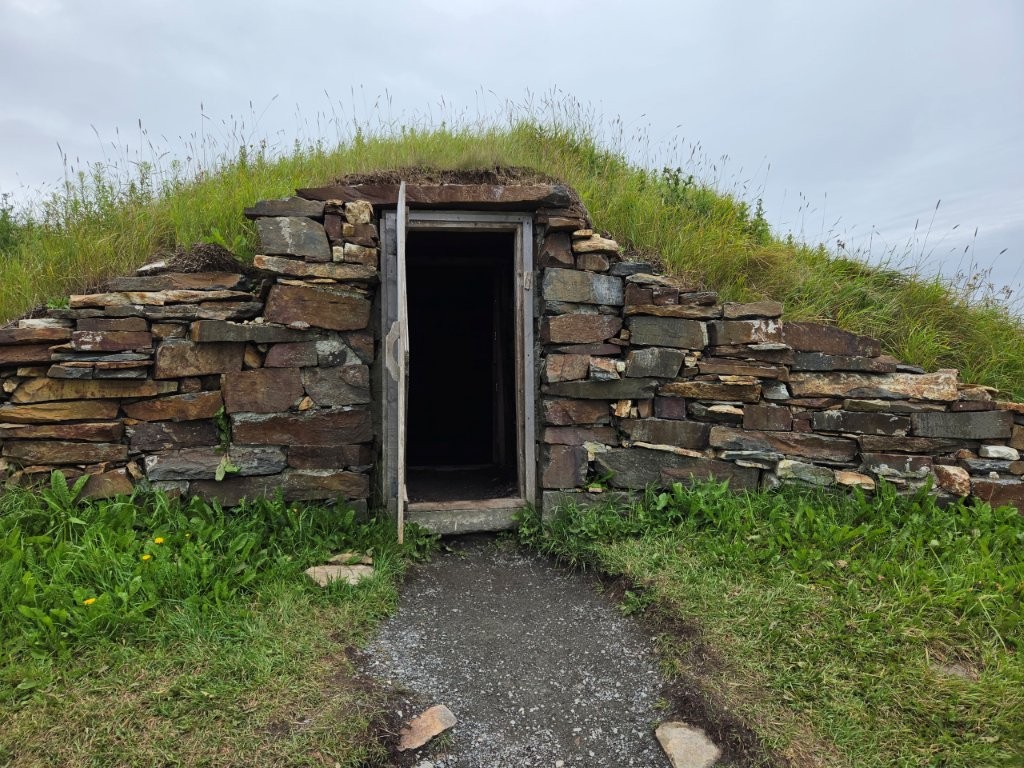
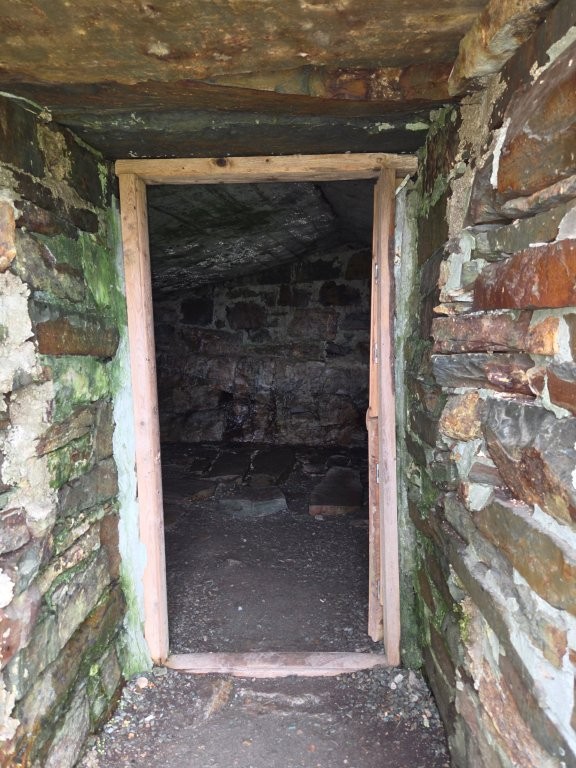
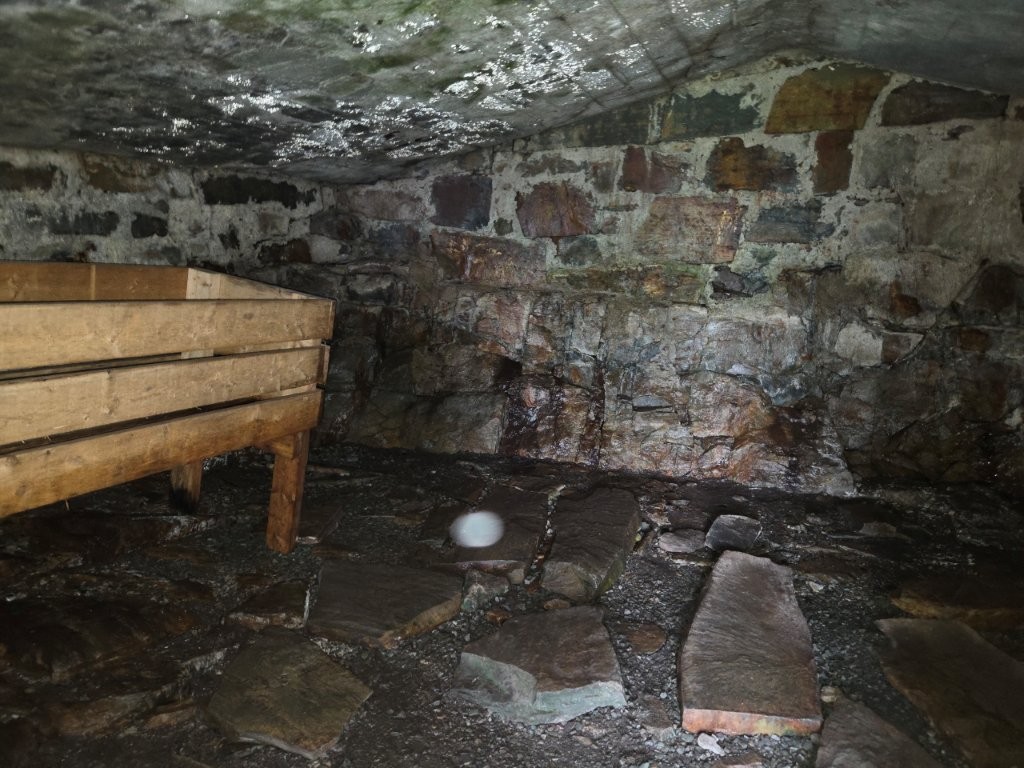
Elliston is also the “Root Cellar Capital of the World” with 133 documented root cellars. Sandstone in the region would break up into flat slabs called flagstones, perfect for stacking. These root cellars were used to preserve vegetables and home-canned goods. Growing and preserving food was essential in this remote part of the island, especially since the growing season is so short.
Entrance to a root cellar.Come on in!Inside the root cellar, watch your head! We saw a number of root cellars while driving around the area.
Twillingate
We next headed over to Twillingate. This little town is famous for being able to view icebergs in May and June. They icebergs are all gone now, but it’s still a really cute town.
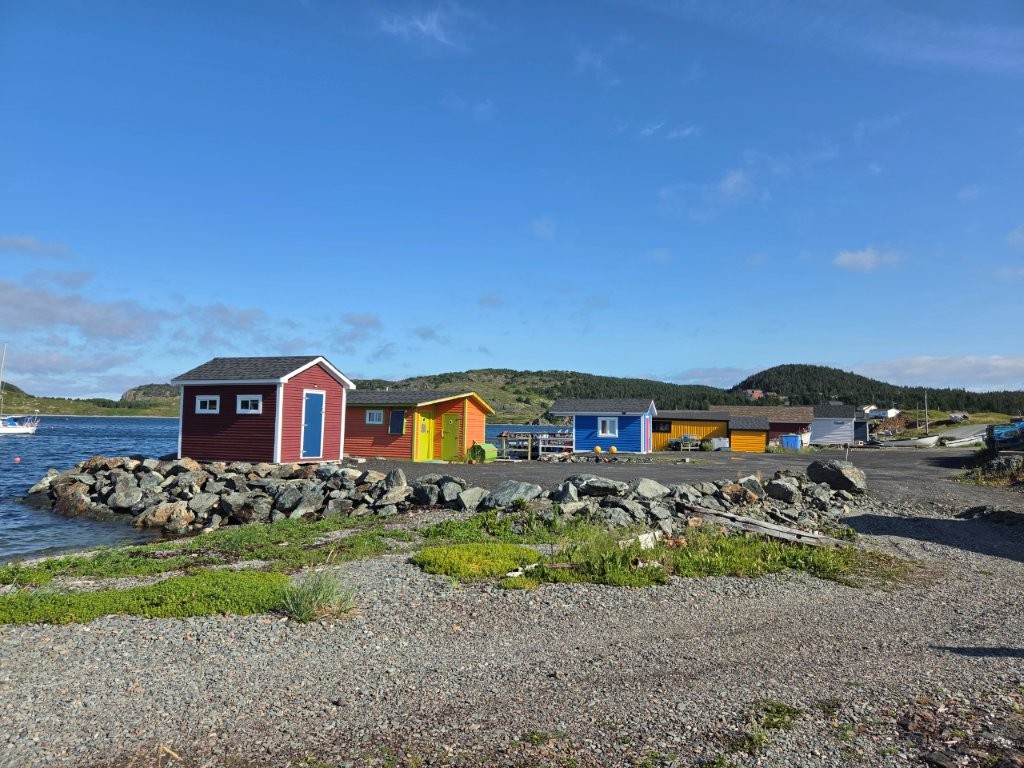
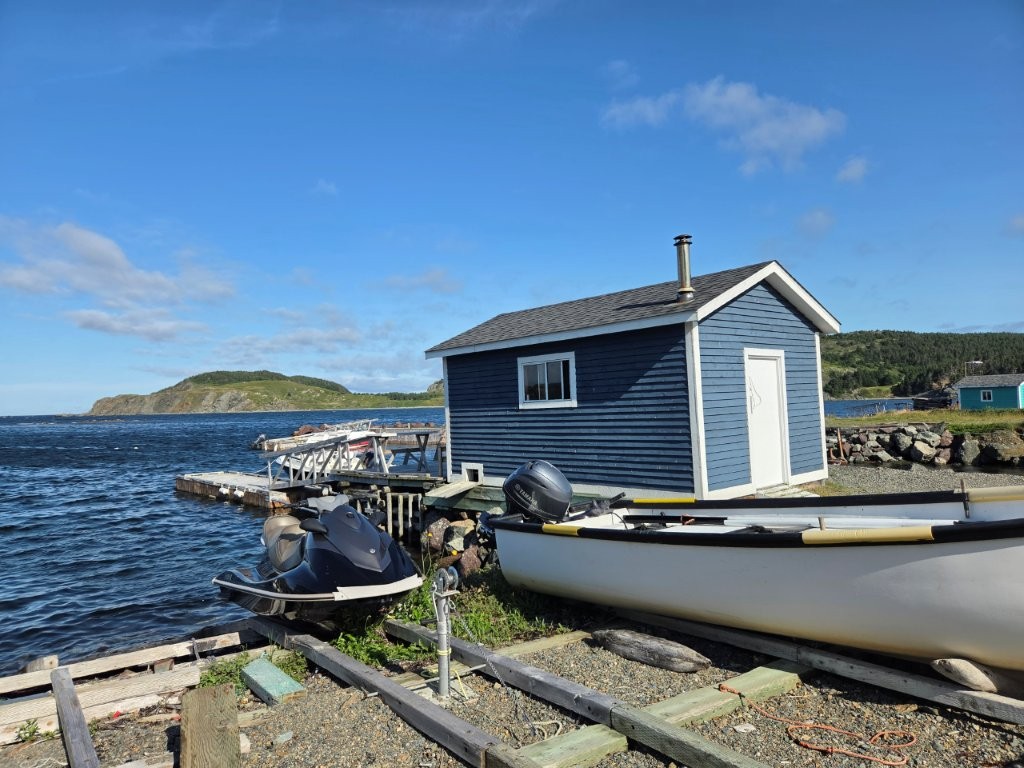
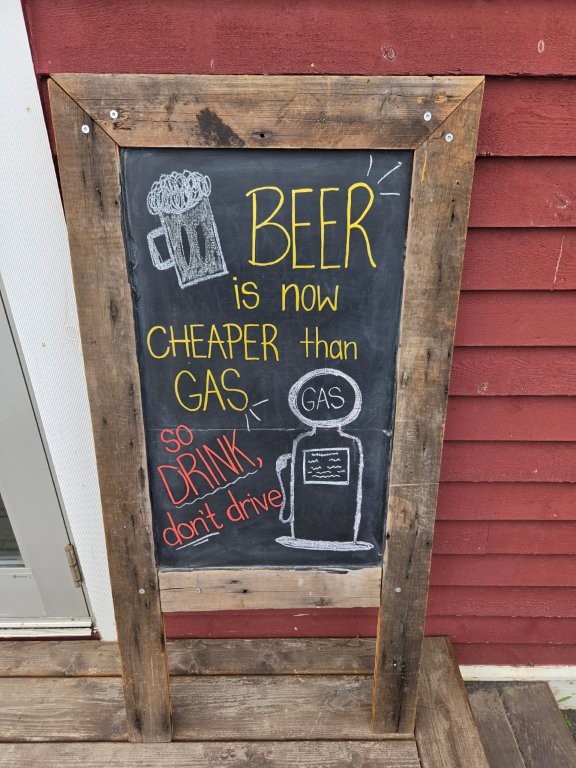
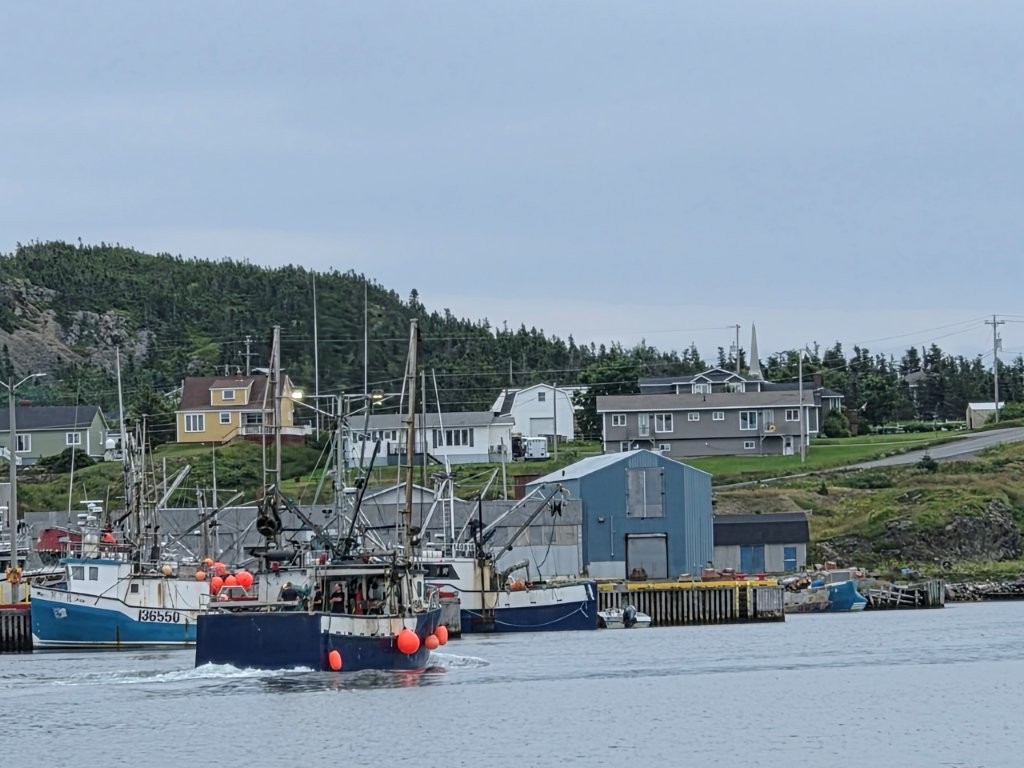
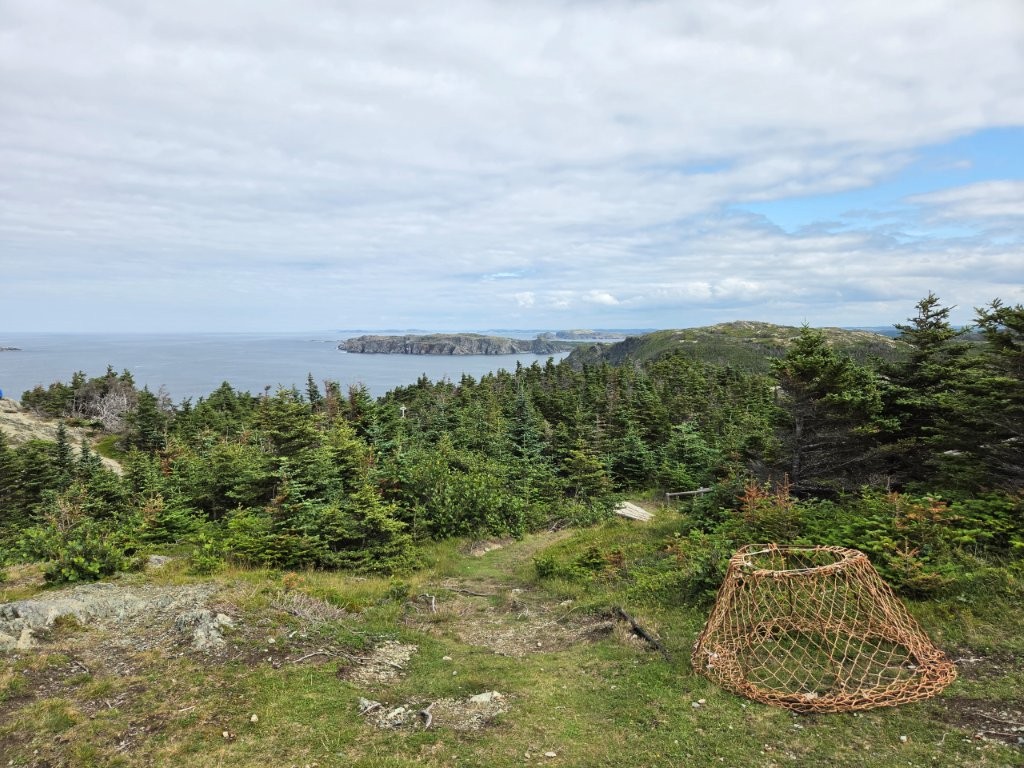
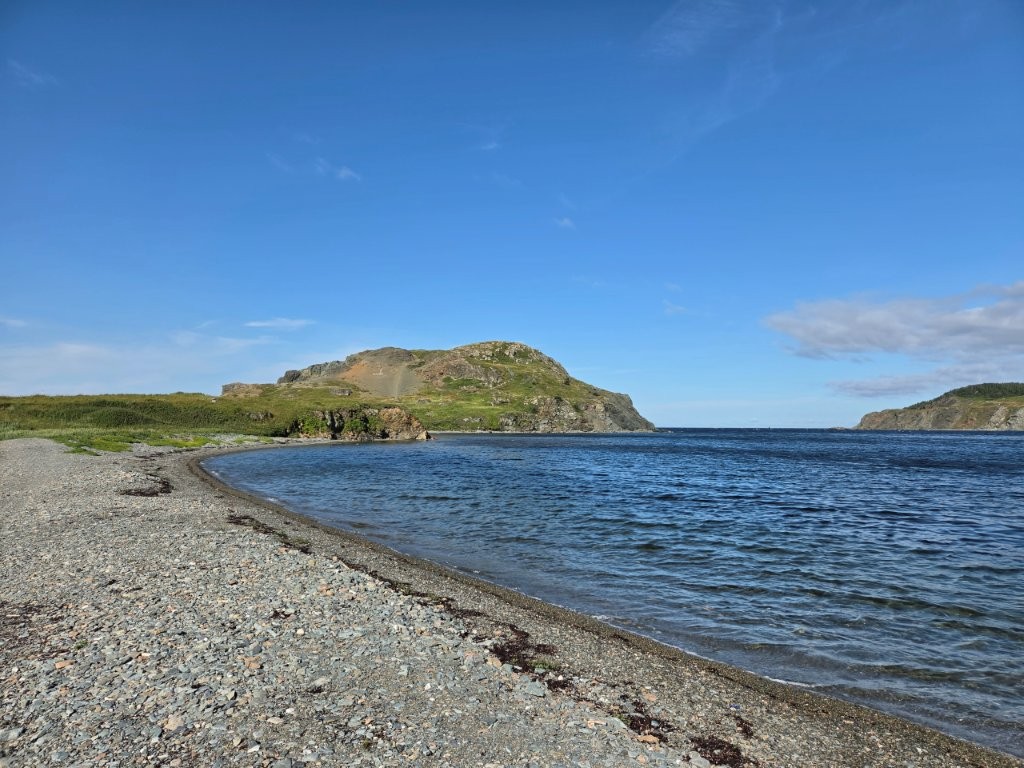
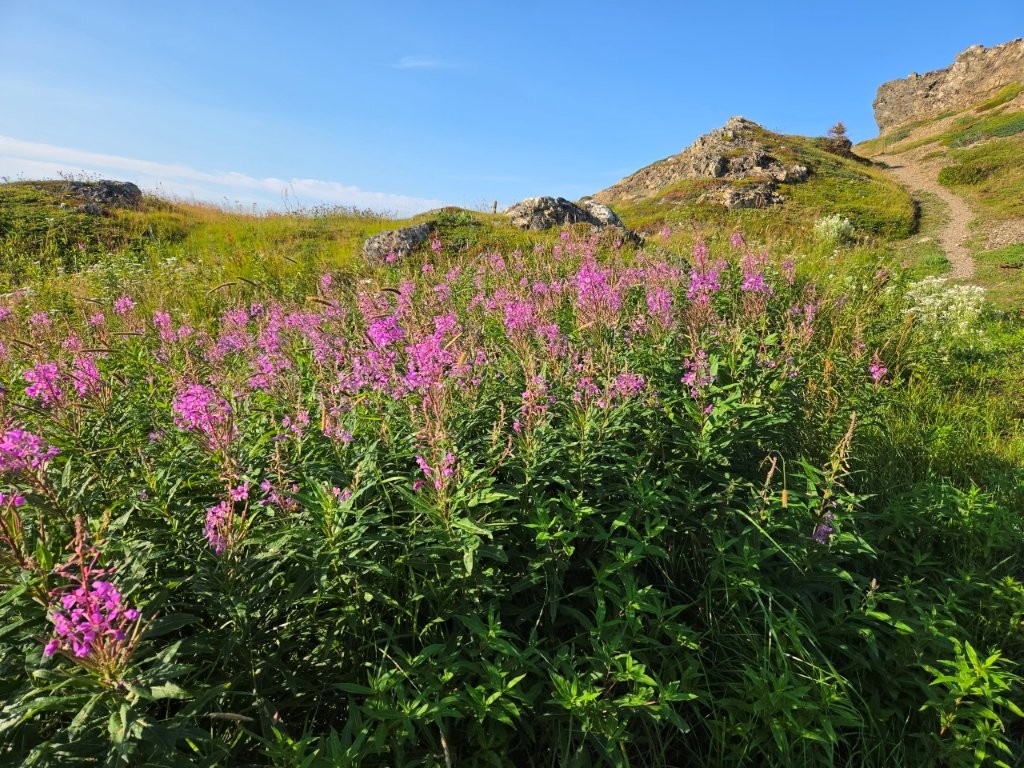
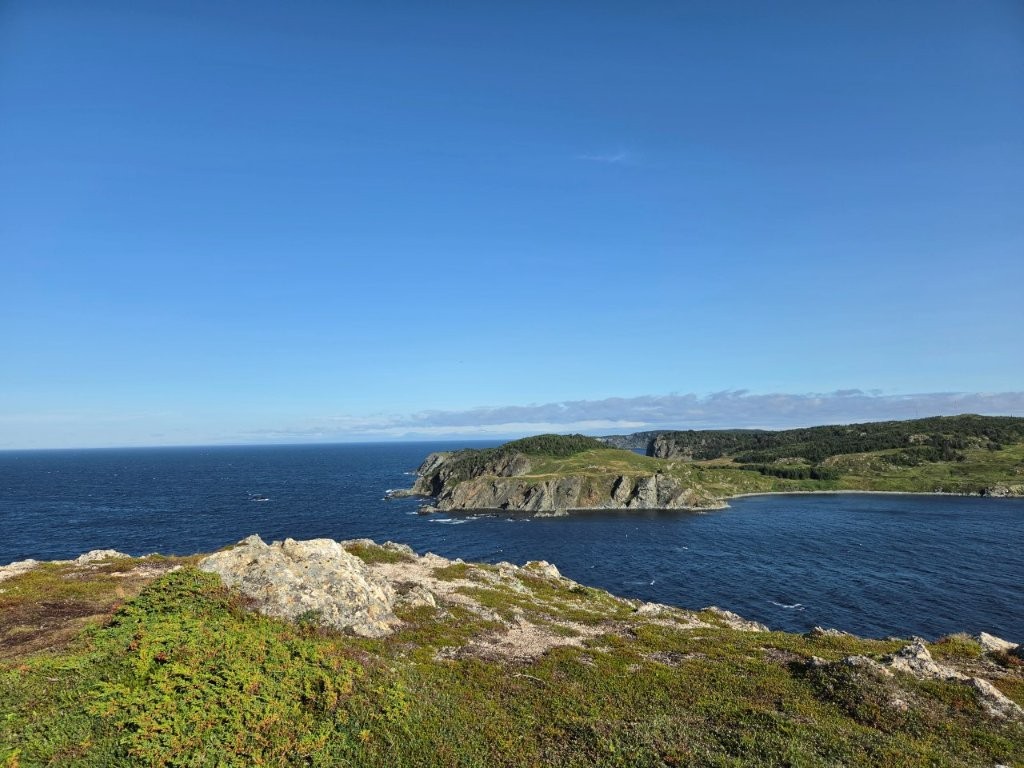
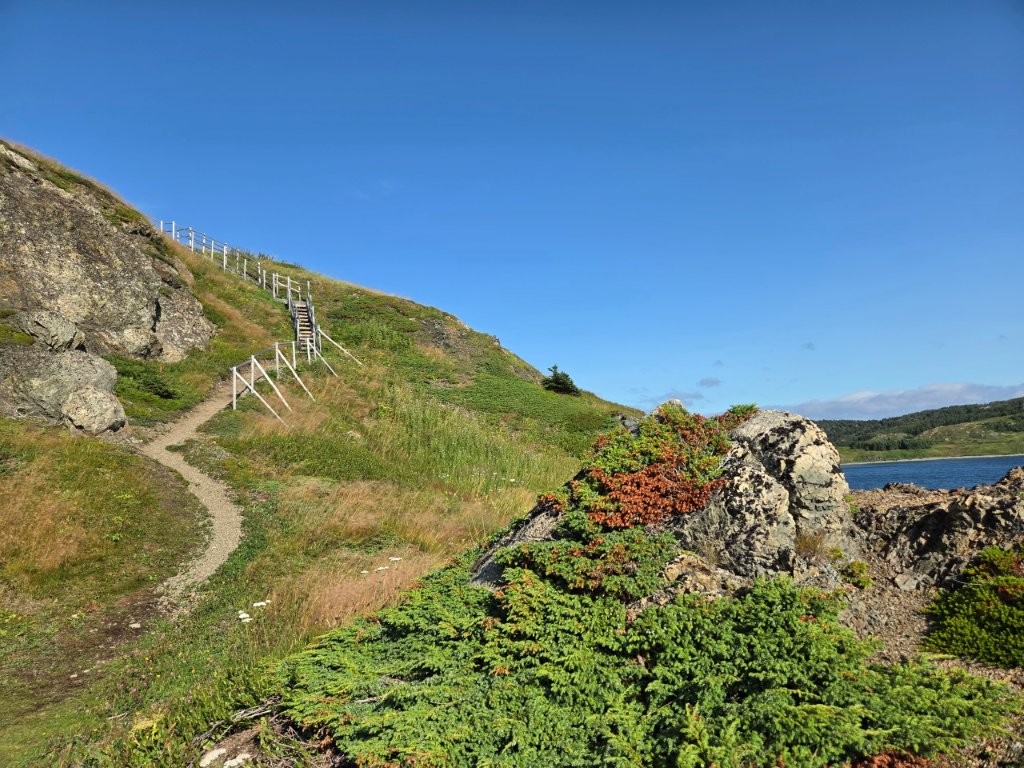
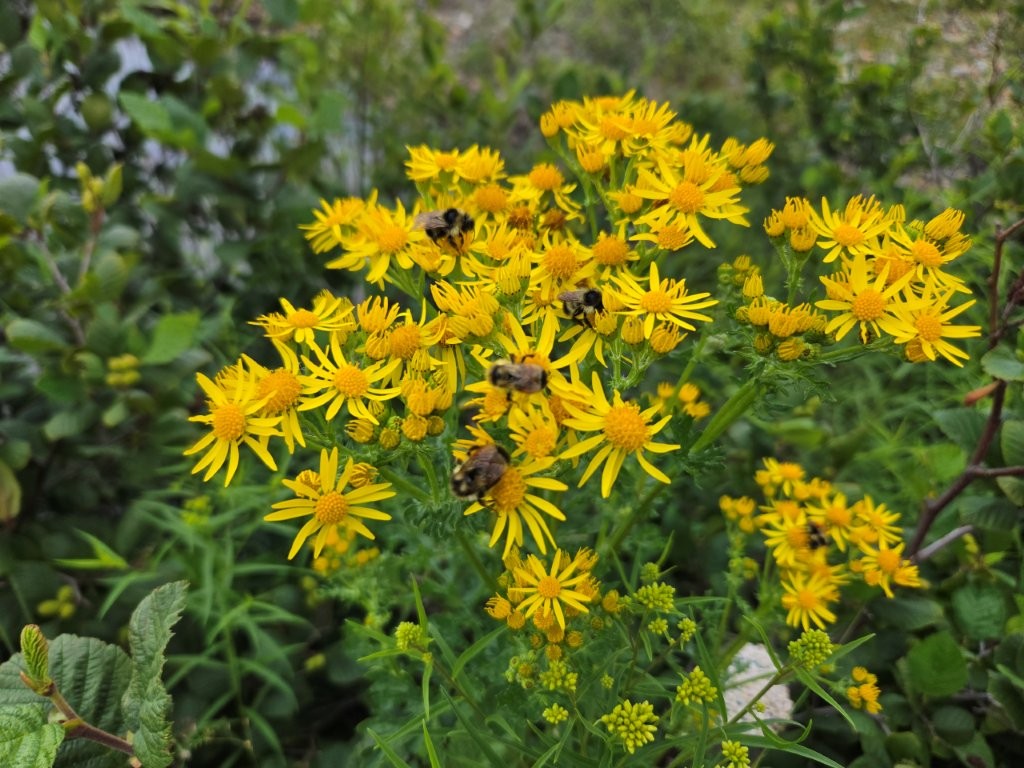
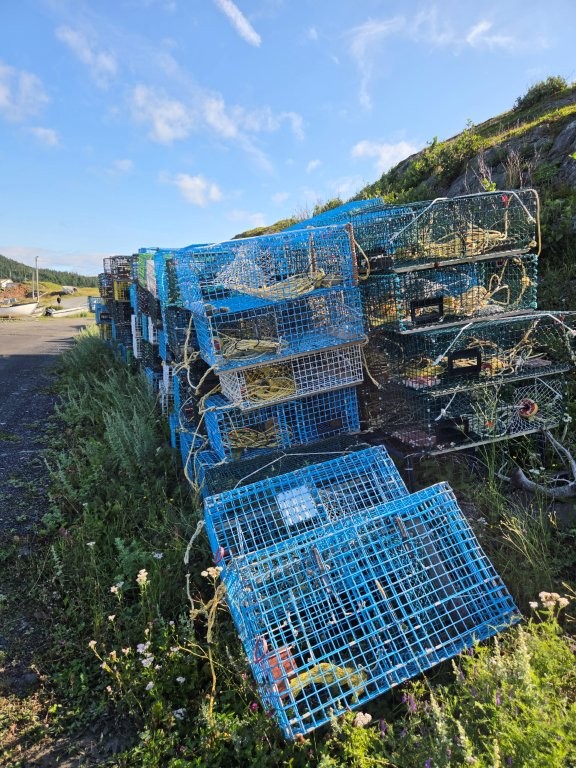
The town is full of colorful buildings. The paint salespeople must stay busy.These small buildings are “Outports.” They are work sheds to support fishing. You can store your fishing gear inside and also clean any fish caught.This Outport is probably used year around. It appears to have a wood stove since there is a chimney. If you look in the lower left hand corner of the building, you can see a chute. We figure that as the fish are cleaned, the fish guts are slid out that chute back into the sea.This sign caught our attention. We decided to comply.A commercial fishing boat coming back into the harbor.This is a high point from which to watch icebergs and maybe spot whales. We saw neither. But we did see this snow crab trap. We have NO idea what it was doing up on this cliff, you won’t find any snow crabs here.We had one excellent weather day and decided to hike to the top of the hill on Battrick’s Island.The fireweed was out in abundance.The Atlantic Ocean as see from the top of the hill. As James put it, “Next stop, Ireland.”We took the steps back down.Bees at work. The ports of entry into Newfoundland have signs stating importing of honey bees without a permit is illegal. I wonder what that is about? Let me ask Google. Ah, they are trying to limit pathogens that could harm local honey bees.Lobster traps along the hiking trail.
Grand Falls-Windsor
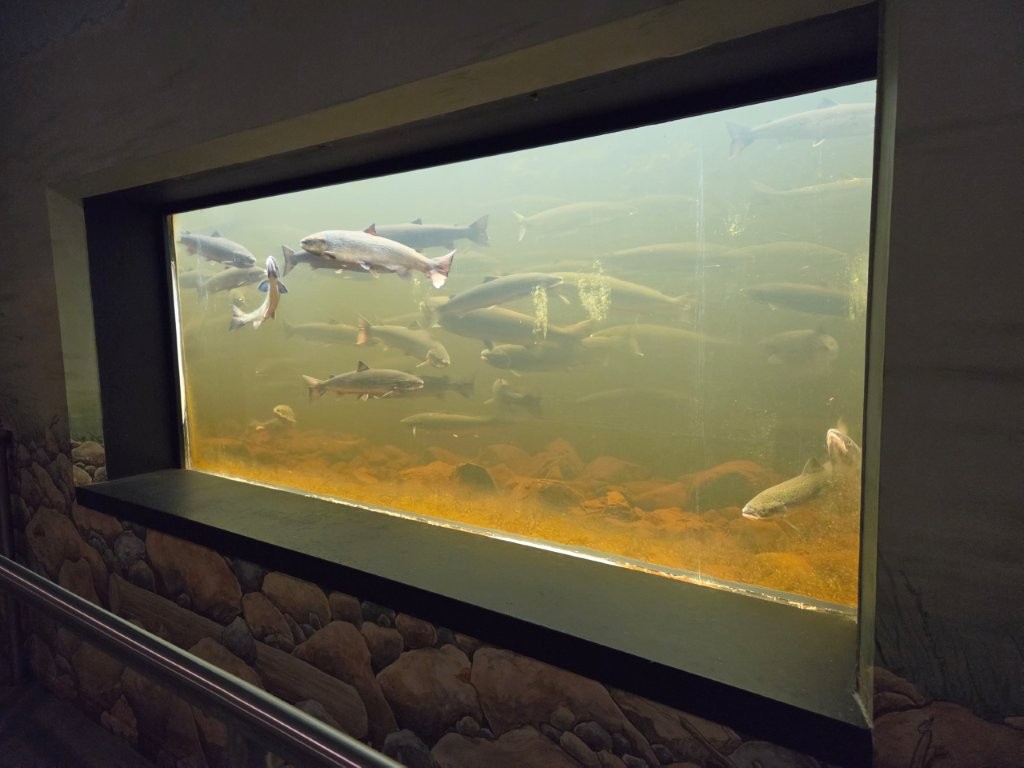
After a few enjoyable days in Twillingate, we made our way to Grand Falls-Windsor, mostly because the Salmonid Interpretive Center is there.
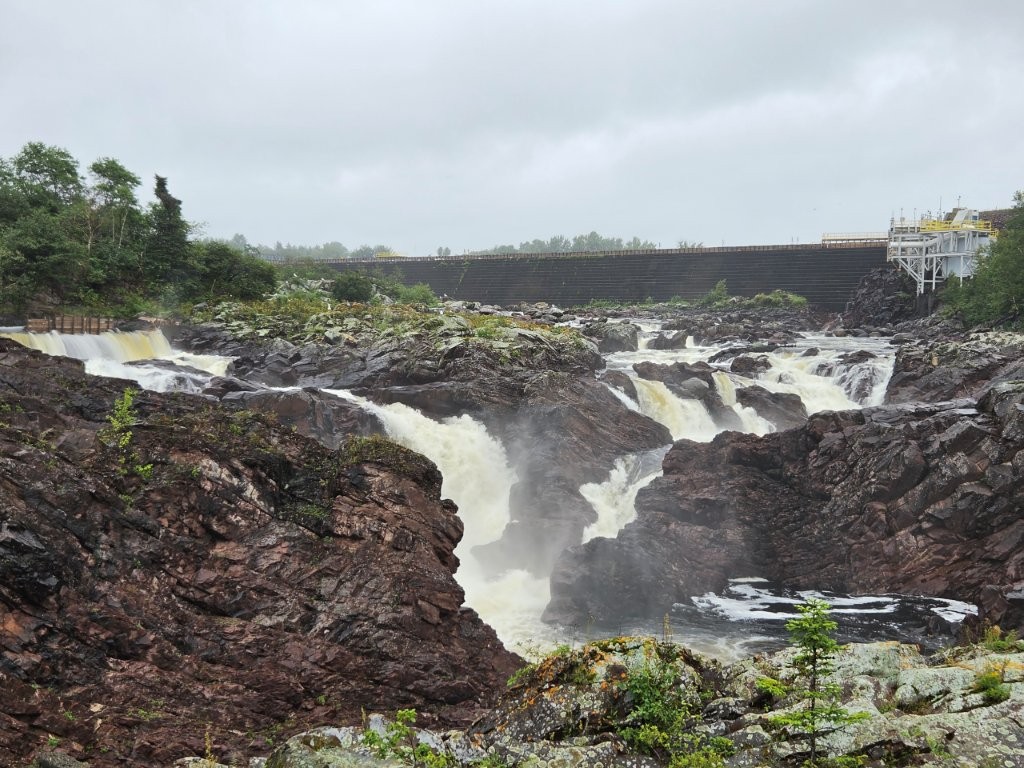
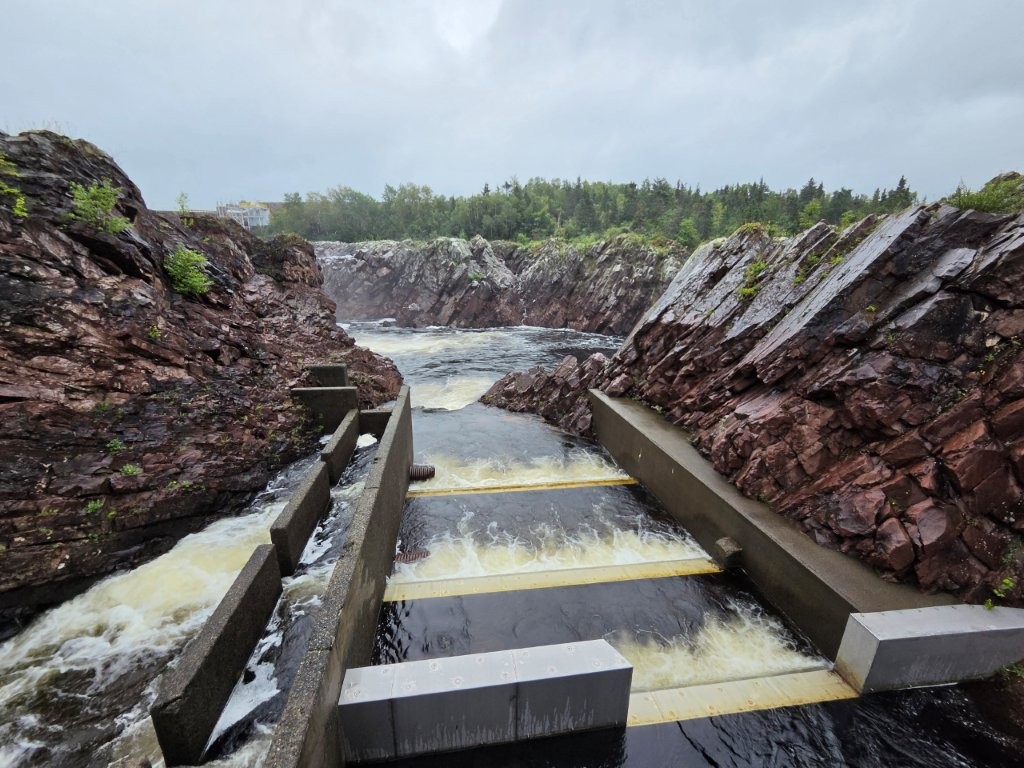
The town sits on the Exploits River, which has the Grand Falls which is utilized to generate electricity. The Exploits River is also home to Atlantic Salmon. BUT, the salmon could not get any further upstream than the Grand Falls as it was an obstacle. We were told at one time a count yielded only 1200 salmon made the run upriver. An organization decided to provide a way for the salmon to make it further upstream. Thus, a salmon ladder was installed. The plan was to introduce salmon fry further upriver so they think they were hatched there, let them head out to sea in the fall, but then return the next year to their hatching site. From what we were told, this has been a smashing success with now tens of thousands of salmon in the Exploits River.
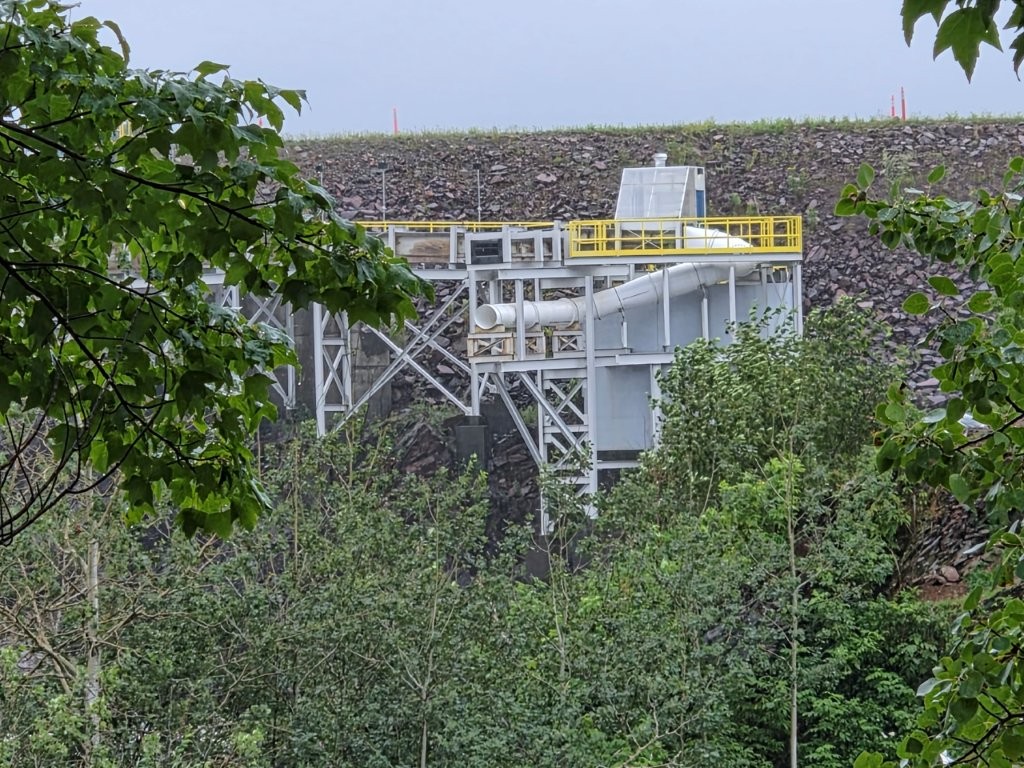
Above is Grand Falls. No way could salmon make it up those falls. Note the structure in the upper right hand corner…we’ll mention that again.
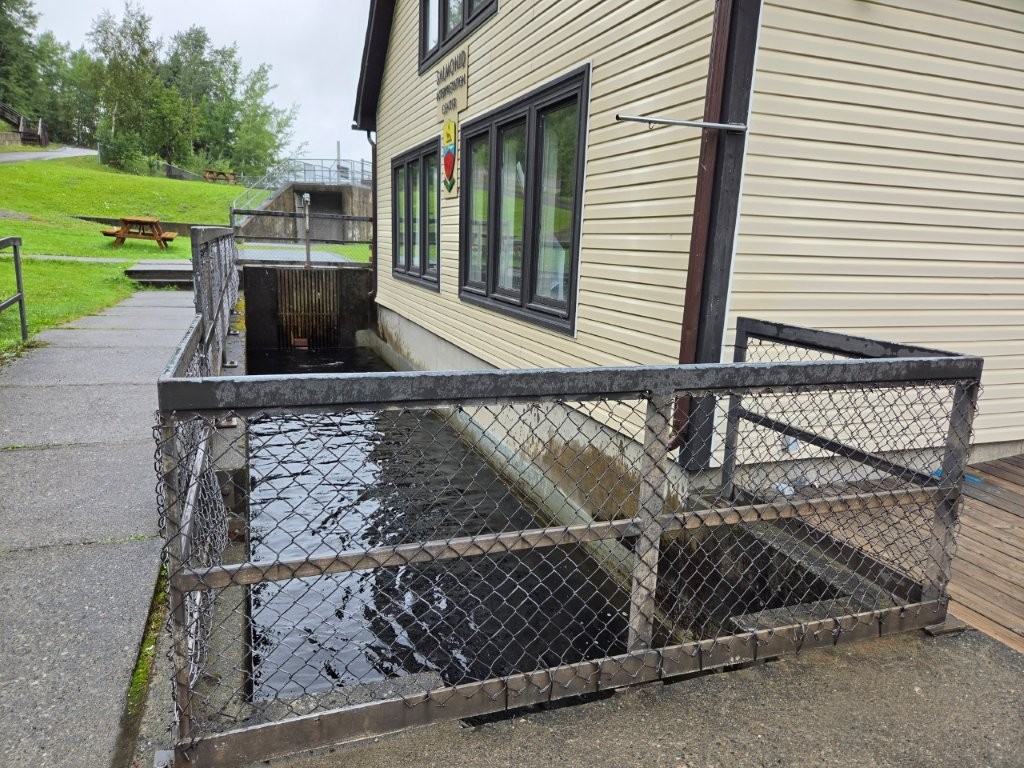
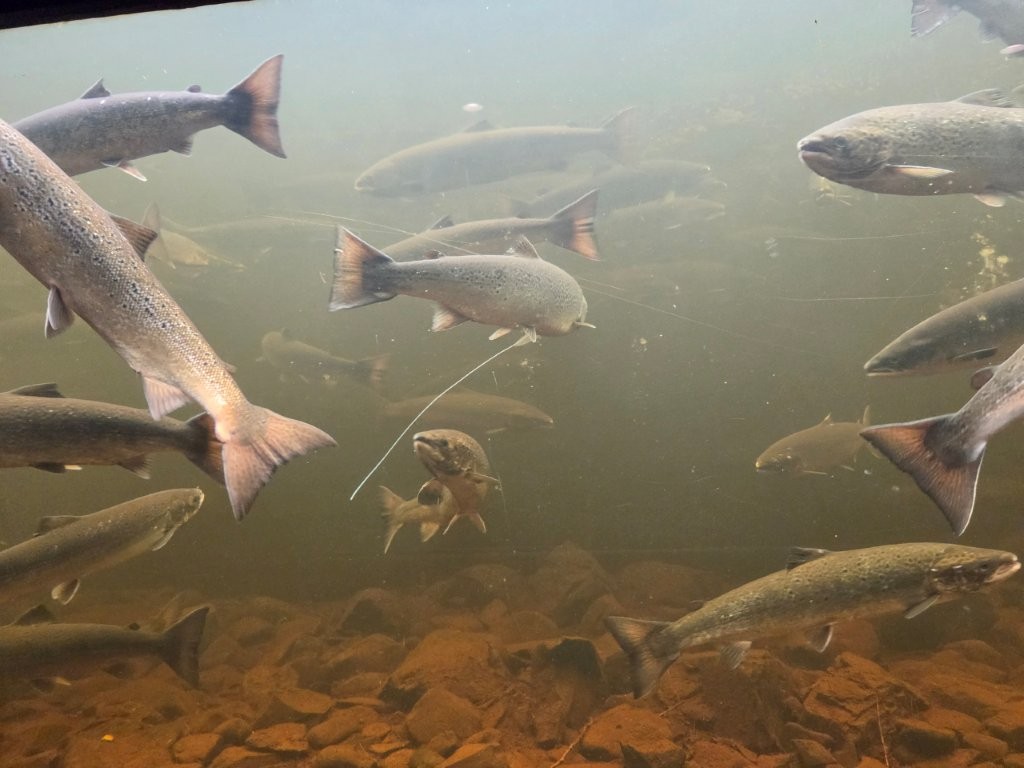
A visit to the Salmonid Interpretation Center was a must. It had a viewing pool, placed inline with the salmon ladder, outside the visitors center.These are Atlantic Salmon. We didn’t know it, but were told there are seven varieties of Pacific Salmon like we saw last summer in Alaska and Pacific Salmon only spawn once. Atlantic Salmon can spawn up to four times.Is that fishing line hanging off that salmon? No! That fish has a tracking device embedded under the skin and the line is an antenna. At various points along the river, tracking devices pick up the travels of the salmon. Go science!
Below is a 30 second YouTube video I took of the salmon making their way up the ladder to their spawning grounds. If you can’t view the video here, use this link: https://youtu.be/mCmXnHzil8Y?si=5fez5U4F5Zxdm-ol
Another view of the salmon ladder. We stood there for a few minutes watching the salmon jump up tier by tier.So, the salmon make it up the ladder, spawn, and then head back out to the ocean again (the waters off Greenland being the destination). Do they go back down the ladder? No! Remember that structure I noted in the picture of Grand Falls? This is the structure, it’s a fish chute. It looks a little bit like a water slide at a water park. That’s isn’t far off. The returning fish end up in this chute, bypass the falls, and take a 80 foot leap back into the water. Yikes! But I guess it works.
Deer Lake
The town of Deer Lake was another convenient stop as we make our way towards Labrador. For our RVing friends, the Deer Lake RV Park was the only place where we had 50 amp power since we left the USA! Fortunately, air conditioning isn’t needed much up here, so having only 30 amps has not been a huge deal.
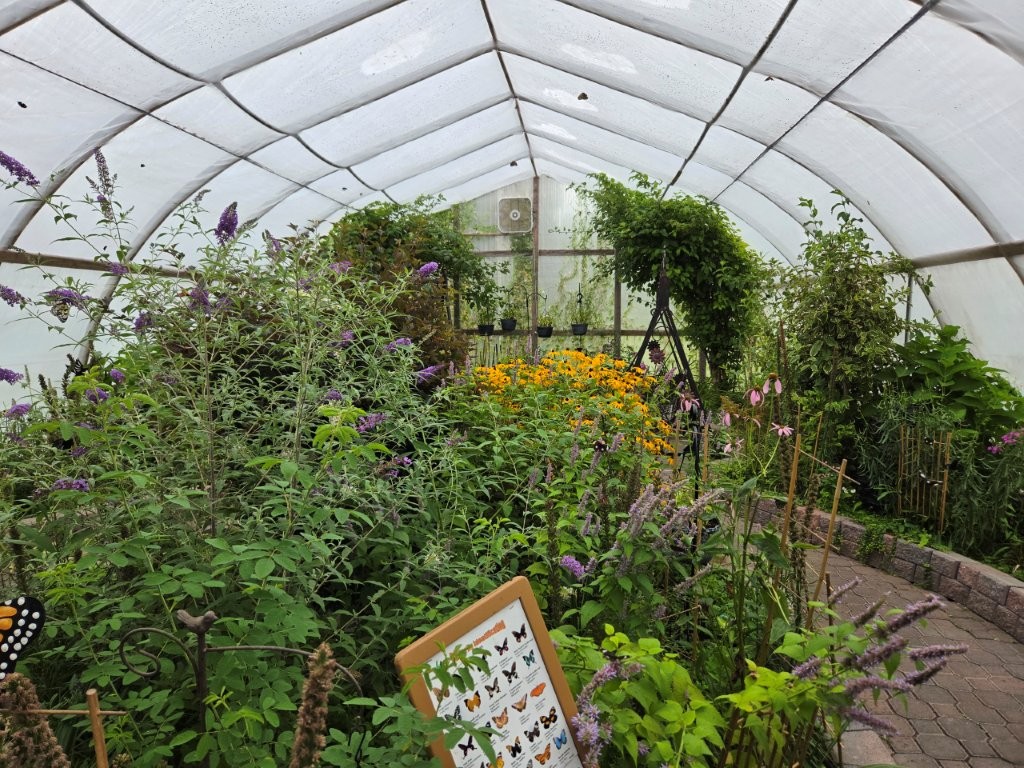
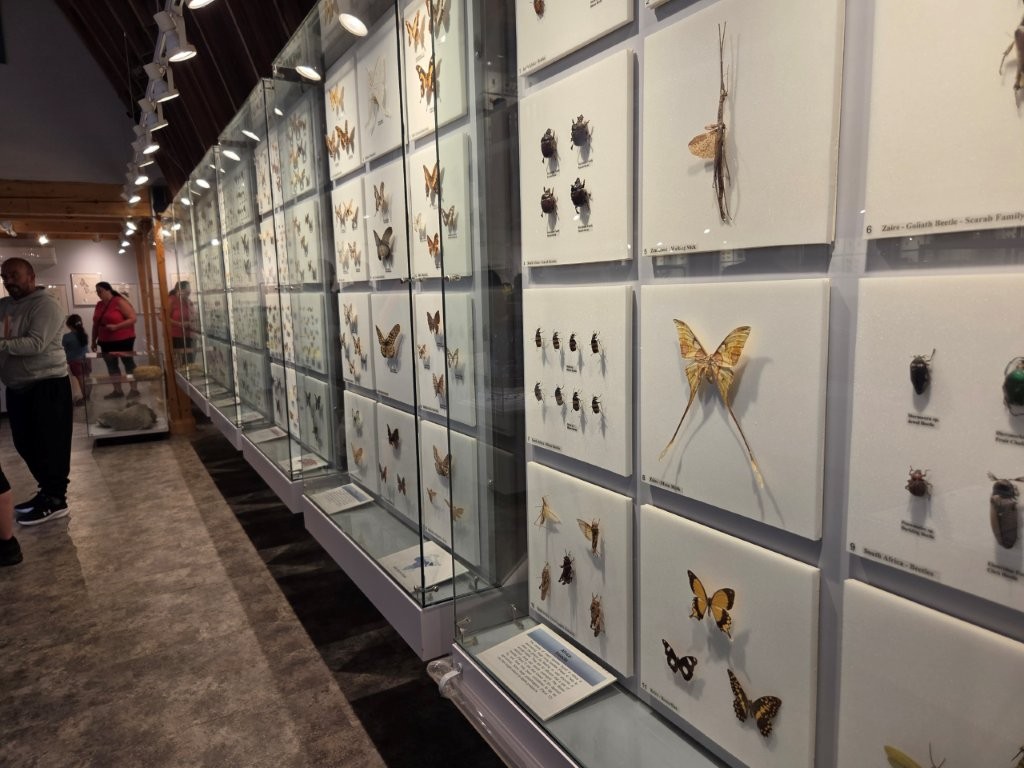
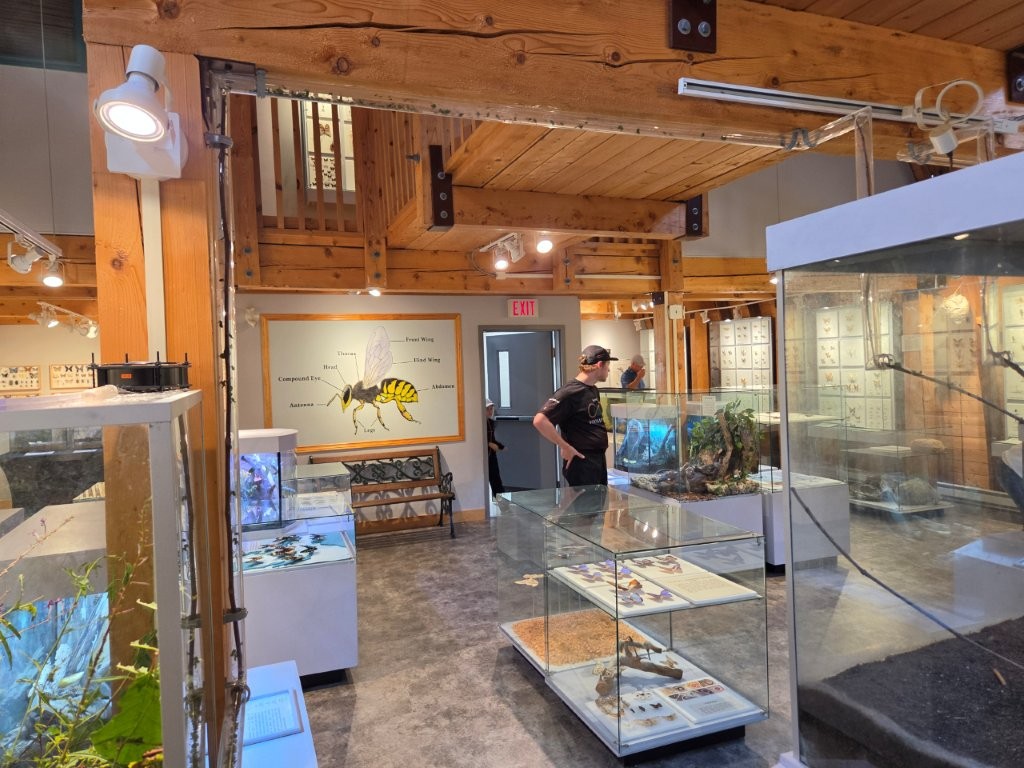
We visited the Newfoundland Insectarium while in Deer Lake. It was amazing to find such a great facility in such a little town.
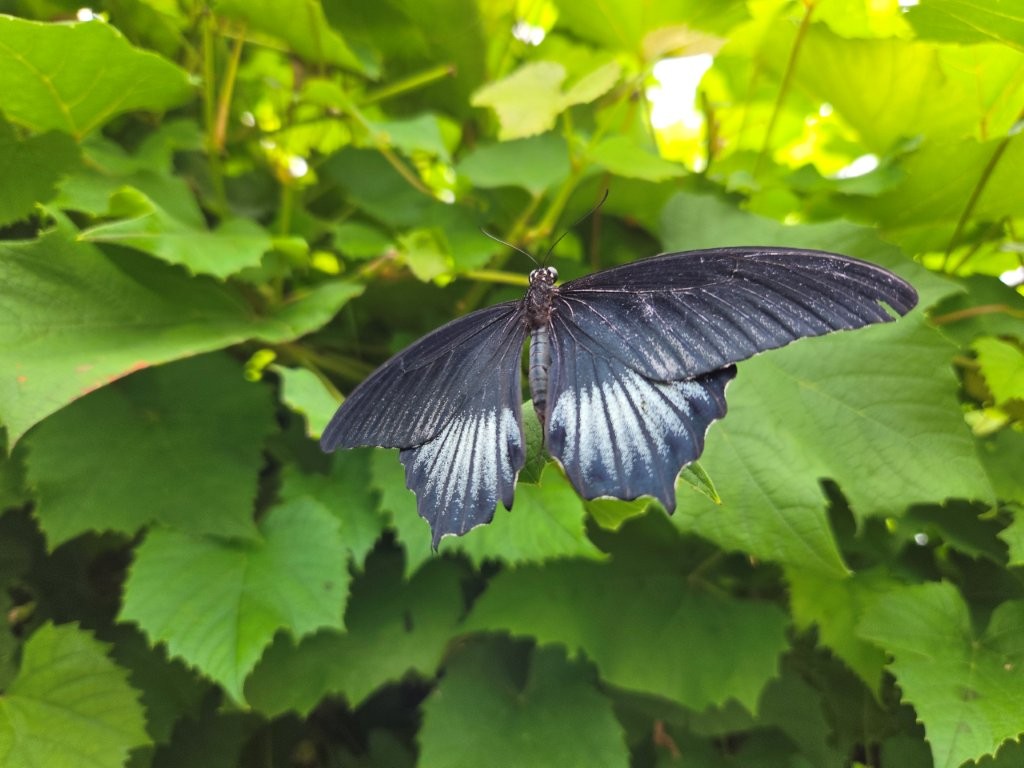
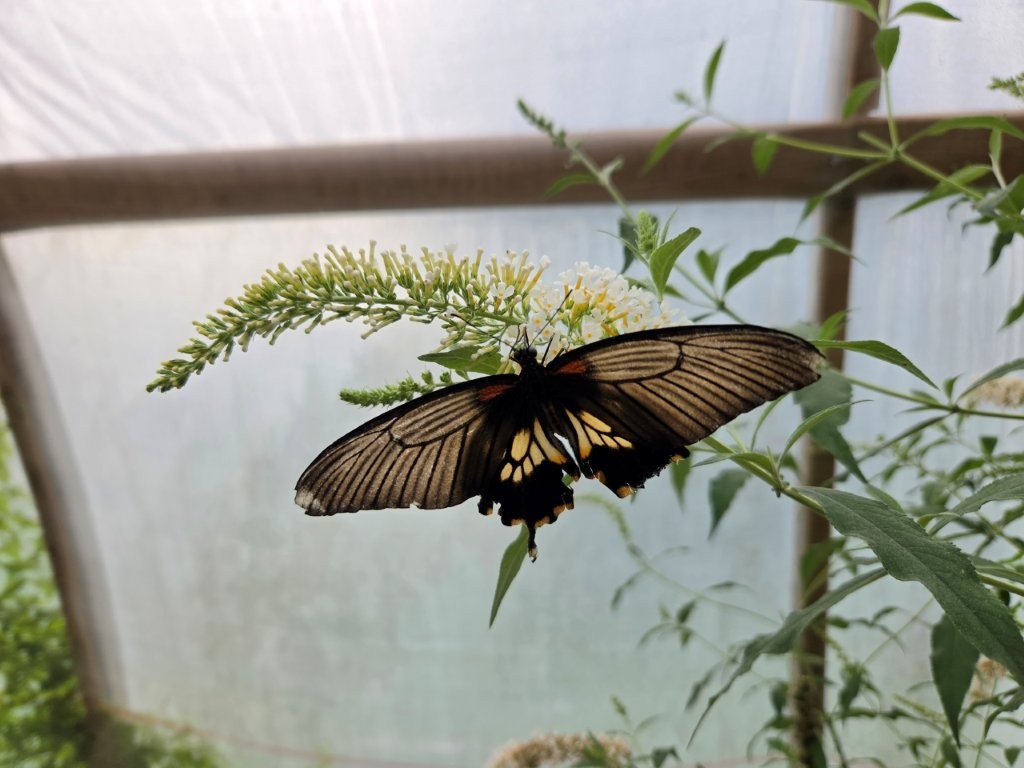
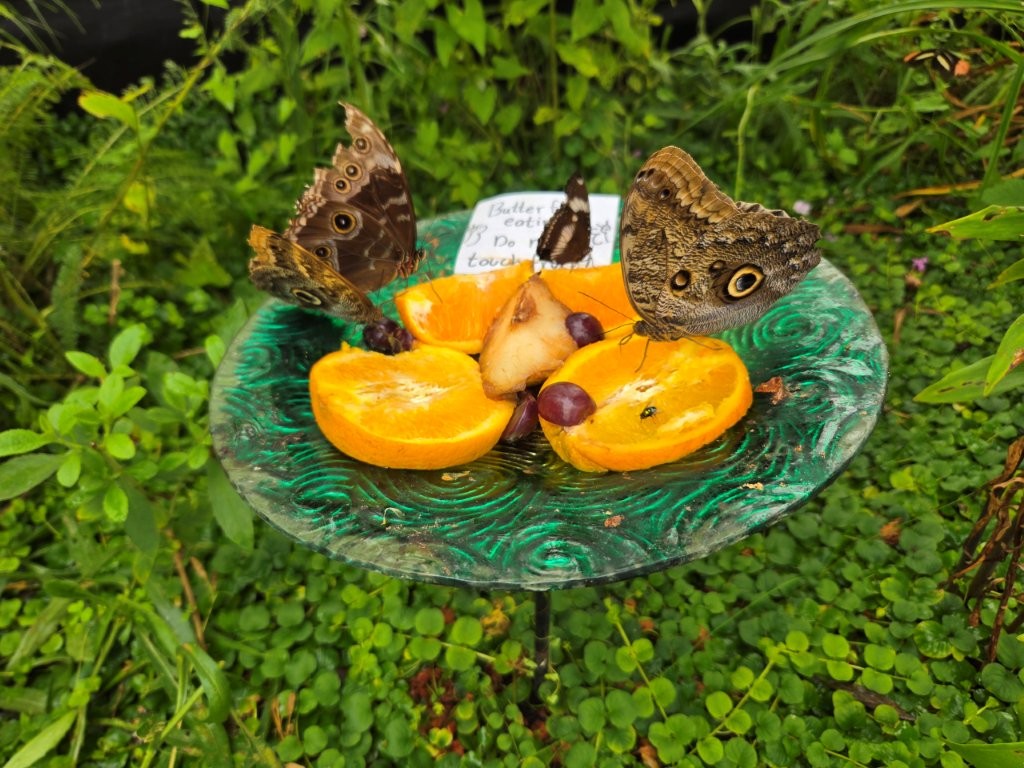
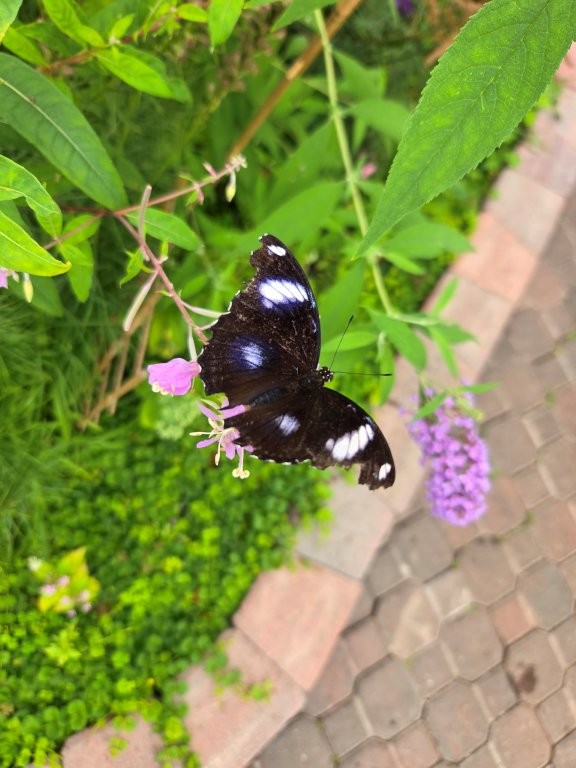
The Insectarium has a Butterfly enclosure. It’s really a glorified greenhouse. The butterfly larva is all imported from Costa Rica to be hatched here. FYI..they close down the enclosure in the winter….no surprise there. And they start it all up again in the Spring.
The Insectarium had a couple floors of insect exhibits.
Insects from all over the world.
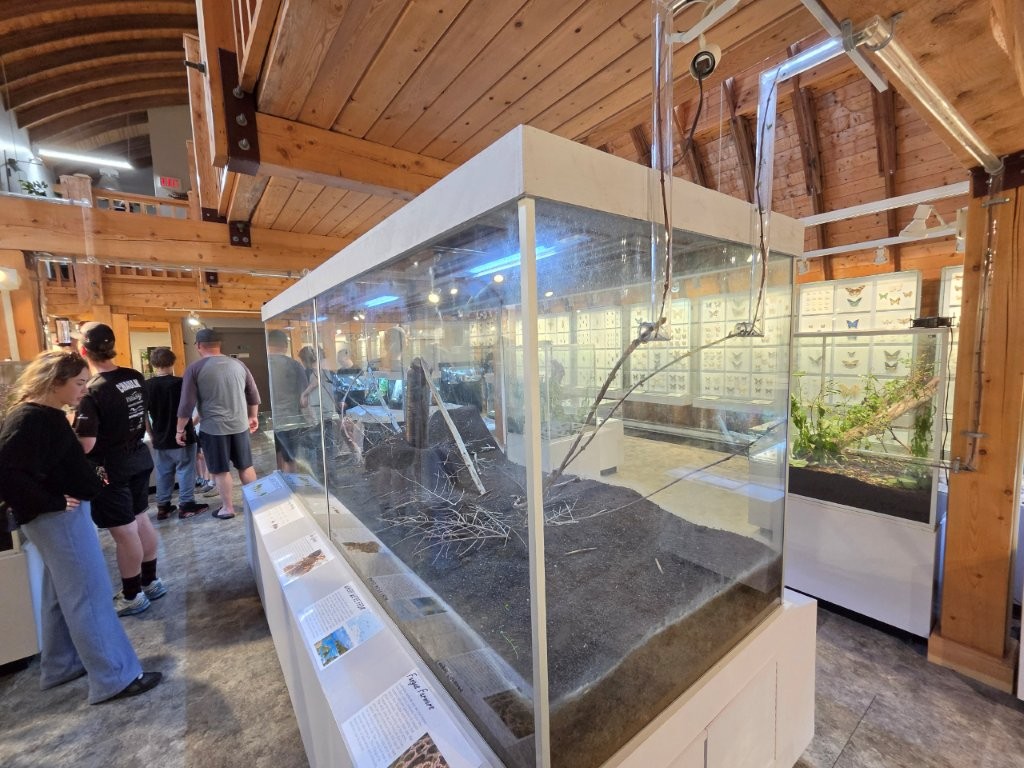
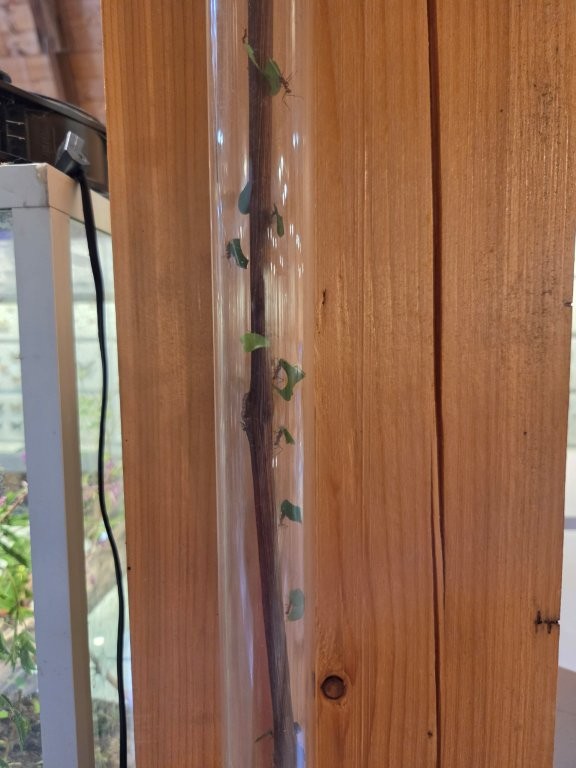
This was a surprise, a giant ant farm! This enclosure had leafcutter ants in it.
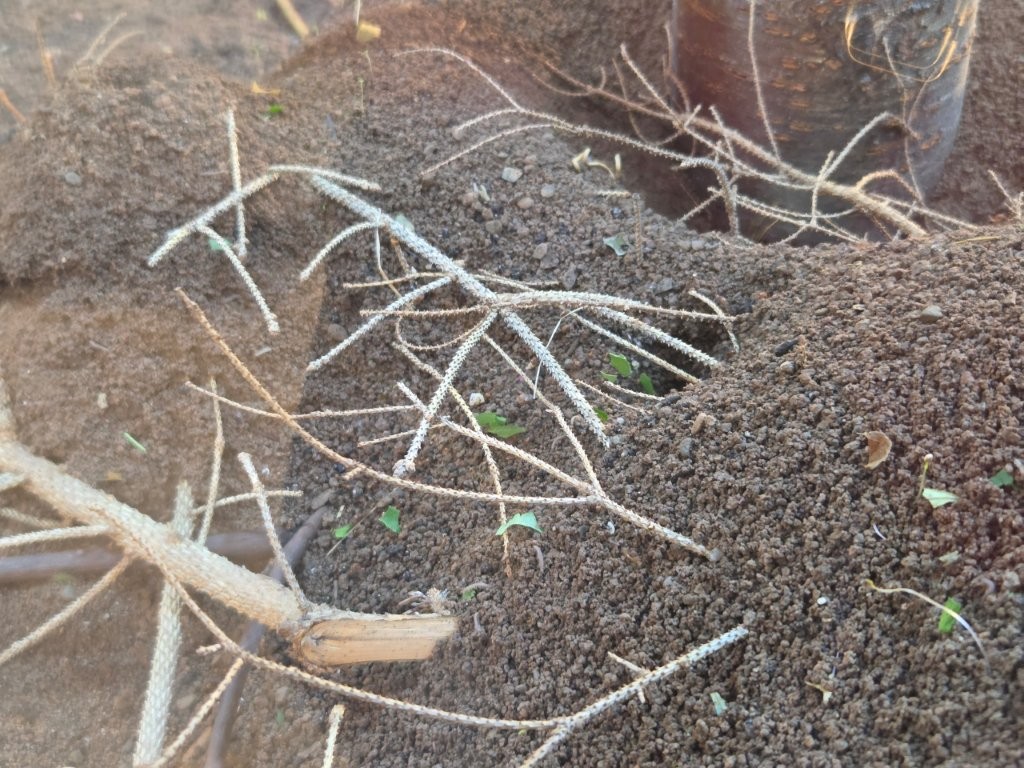
This enclosure was installed in 2025. Every 6 to 8 weeks the size of the ant colony doubles. See those clear plastic pipes coming out the end of the enclosure and heading to the ceiling?The pipes lead over to other enclosures with leafy material in them (in the lower left hand corner of the picture).The clear pipes have vines in them for the ants to climb on. So, the ants go through the clear pipes to access the leafy enclosures. They grab a piece of leaf and head back to the big enclosure.The ants take the leafs into their ant hills. That’s a lot of travel.
With the ant population doubling every 8 weeks, we might Someday we might see in the news “Town of Deer Lake taken over by Leafcutter Ants!” Then again, these ants probably can’t survive a Newfoundland winter. So maybe we won’t see that headline.
We are now almost as far north in Newfoundland as you can get, in the town of St. Barbe. We have a few things to see here before taking the ferry to Labrador on Saturday. Yup, another boat ride. In the meantime, it’s another yucky, rainy day. And that’s why this blog post got finished!
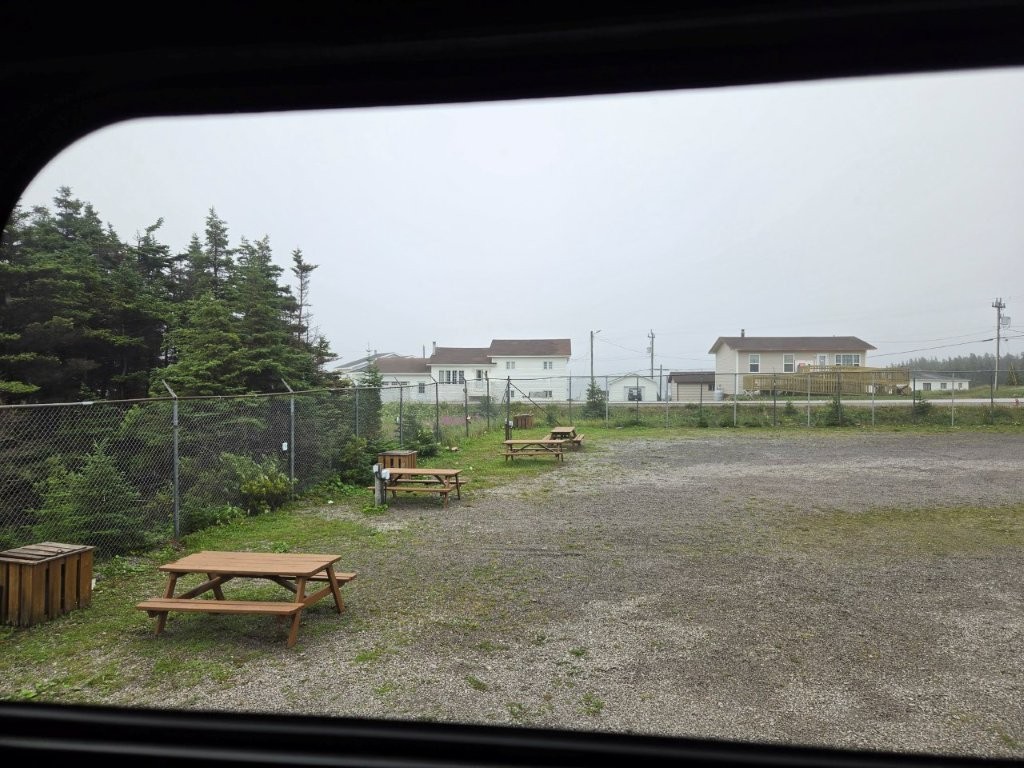
Our current view. Cold and wet. It’s a good day to stay inside, take a nap, watch some Netflix, etc. That road on the other side of the fence leads to the Labrador ferry, so we are watching ferry traffic come and go. It’s entertaining to us!
Thanks for all the great pictures and info. as usual. Those salmon are energetic little devils. Not my idea of a good time — jumping up those ladders. I would like some puffin chairs, please.
What an educational trip! You saw more puffin than we did in Iceland last summer!
Those chairs are hilarious! I’m guessing you did not bring a pair home?
Keep the fun coming… Careful on the ferry.
Thanks for all the great pictures and info. as usual. Those salmon are energetic little devils. Not my idea of a good time — jumping up those ladders. I would like some puffin chairs, please.
Puffin chairs? I think they would look lovely in your living room!
What an educational trip! You saw more puffin than we did in Iceland last summer!
Those chairs are hilarious! I’m guessing you did not bring a pair home?
Keep the fun coming… Careful on the ferry.